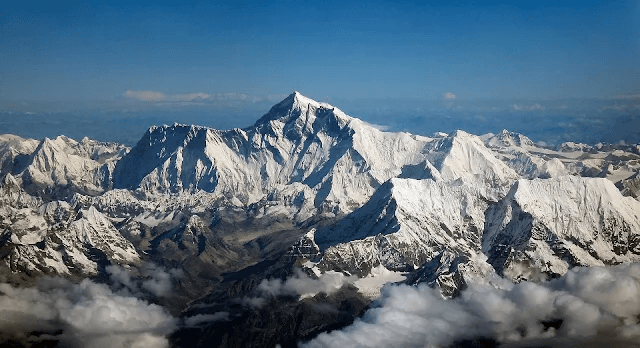
Standing at one of the most scenic viewpoints near Kathmandu, Nagarkot offers breathtaking panoramic views of the Himalayas, including distant Mount Everest on clear days. Beyond the beauty lies an incredible journey—from ocean floor to the tallest mountains on Earth.
A journey that began under the ocean
Millions of years ago, the land you see today was completely underwater. The rocks that now form the Himalayas were once layers of sand and mud resting at the bottom of an ancient sea.
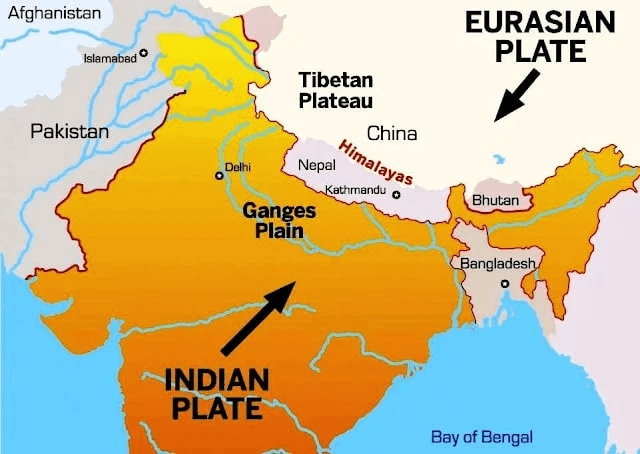
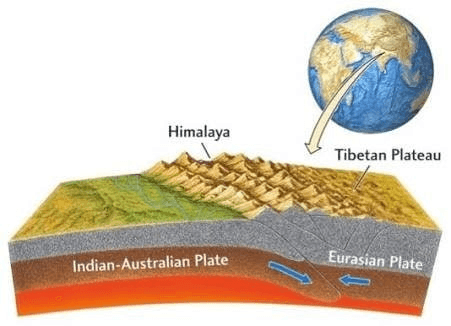
Around 80 million years ago, the Indian landmass began moving north. About 50 million years ago, it collided with Asia. This powerful collision pushed the Earth's crust upward, slowly forming the Himalayan mountain range.
Even today, scientists have discovered marine fossils high in the mountains, including near Mount Everest—proof that these peaks were once part of the ocean floor.
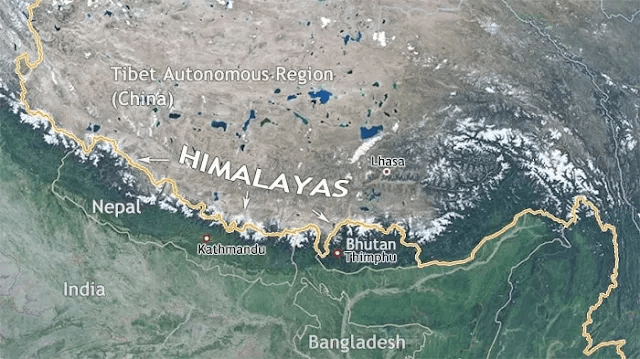
Experience the Himalayas from Nagarkot
Nagarkot is one of the best places in Nepal to experience the Himalayas without long, difficult trekking. Here's why travelers love Nagarkot:
Panoramic Himalayan views
Wide, uninterrupted views of snow-capped peaks stretching across the horizon.
Famous sunrise and sunset
Watch the first light paint the mountains in golden hues—one of Nepal’s iconic experiences.
Scenic hiking trails
Peaceful trails through forests, terraced fields, and traditional villages.
Peaceful escape near Kathmandu
Fresh air, quiet surroundings, and stunning nature just a short drive from the city.
Photography and relaxation
Capture unforgettable landscapes or simply unwind with nature.
A living, breathing mountain range
The Himalayas are not only ancient—they are still evolving. The Indian tectonic plate continues to push northward into Asia every year. This ongoing movement means:
- The mountains are still rising
- Earthquakes still occur, such as the 2015 Nepal earthquake
- The landscape continues to change over time
When you stand in Nagarkot and look at the mountains, you witness a natural process that is still happening today.
The Himalayas: the water tower of Asia
These mountains play a major role in weather patterns and the monsoon. They collect snow and rain, feeding some of the world's most important rivers:
- Ganges River
- Indus River
- Yangtze River
- Irrawaddy River
That is why the Himalayas are often called the "water tower of Asia," providing fresh water to nearly one-fifth of the world's population.
Nature in balance: rising and eroding
While the Earth pushes the Himalayas upward, wind, rain, and rivers constantly wear them down. The land rises due to tectonic forces; the surface is shaped and softened by erosion—an ongoing cycle behind the range's dramatic landscape.
Why this matters for your visit
A trip to Nagarkot is more than sightseeing—it connects you with the history of our planet. Every peak you see has traveled from the ocean floor, been shaped by powerful forces, and continued to grow over millions of years. That makes your visit both beautiful and meaningful.
Plan your Nagarkot experience
Whether you come for a sunrise tour, a hiking adventure, or a peaceful retreat, Nagarkot offers one of the best Himalayan experiences in Nepal. Come for the view—stay for the story. For more ideas, browse our hiking trails or travel stories on the blog.
Frequently asked questions
Short answers about Himalayan geology and what it means for travelers visiting Nagarkot.
Why are marine fossils found high in the Himalayas?
The rocks that became the Himalayas once lay on an ancient seabed. As the Indian and Eurasian plates collided, that crust was pushed upward. Fossils of sea life preserved in those rocks were lifted with the range—so finding marine fossils at altitude is evidence the peaks rose from an old ocean floor.
How did the Himalayas form?
Starting roughly 80 million years ago, the Indian plate moved north and collided with Eurasia around 50 million years ago. The crash thickened and lifted Earth’s crust, building the Himalayan chain. That process is still slow and ongoing today.
Why is Nagarkot a good place to see the Himalayas?
Nagarkot sits on a high ridge east of Kathmandu with wide northern views across the central and eastern Himalaya. On clear mornings you can see many named ranges and, on exceptional days, very distant peaks including Everest—without multi-day trekking.
Are the Himalayas still rising?
Yes. The Indian plate is still moving north into Asia, so the range continues to shorten and thicken overall. Uplift competes with erosion from rivers, rain, and ice, which shapes the landscape you see from places like Nagarkot.
Which major rivers are tied to Himalayan snow and rain?
Snowmelt and monsoon rain feed major rivers including the Ganges, Indus, Brahmaputra, Yangtze, and Irrawaddy systems—one reason the region is called the “water tower of Asia.”