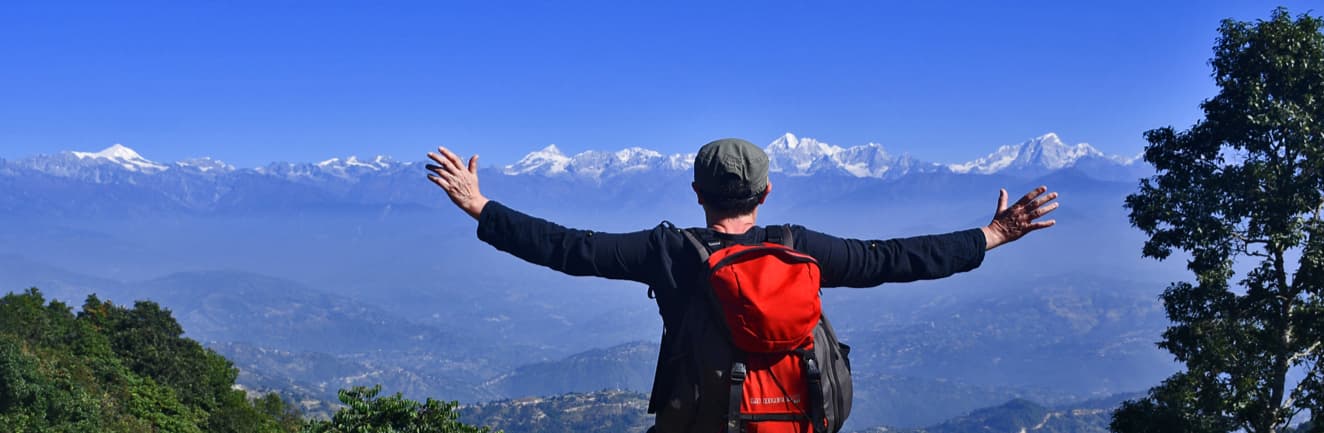
History of Nagarkot
From Malla-era watchtower to modern eco-tourism routes — how a strategic ridge became Nepal's favourite sunrise escape.
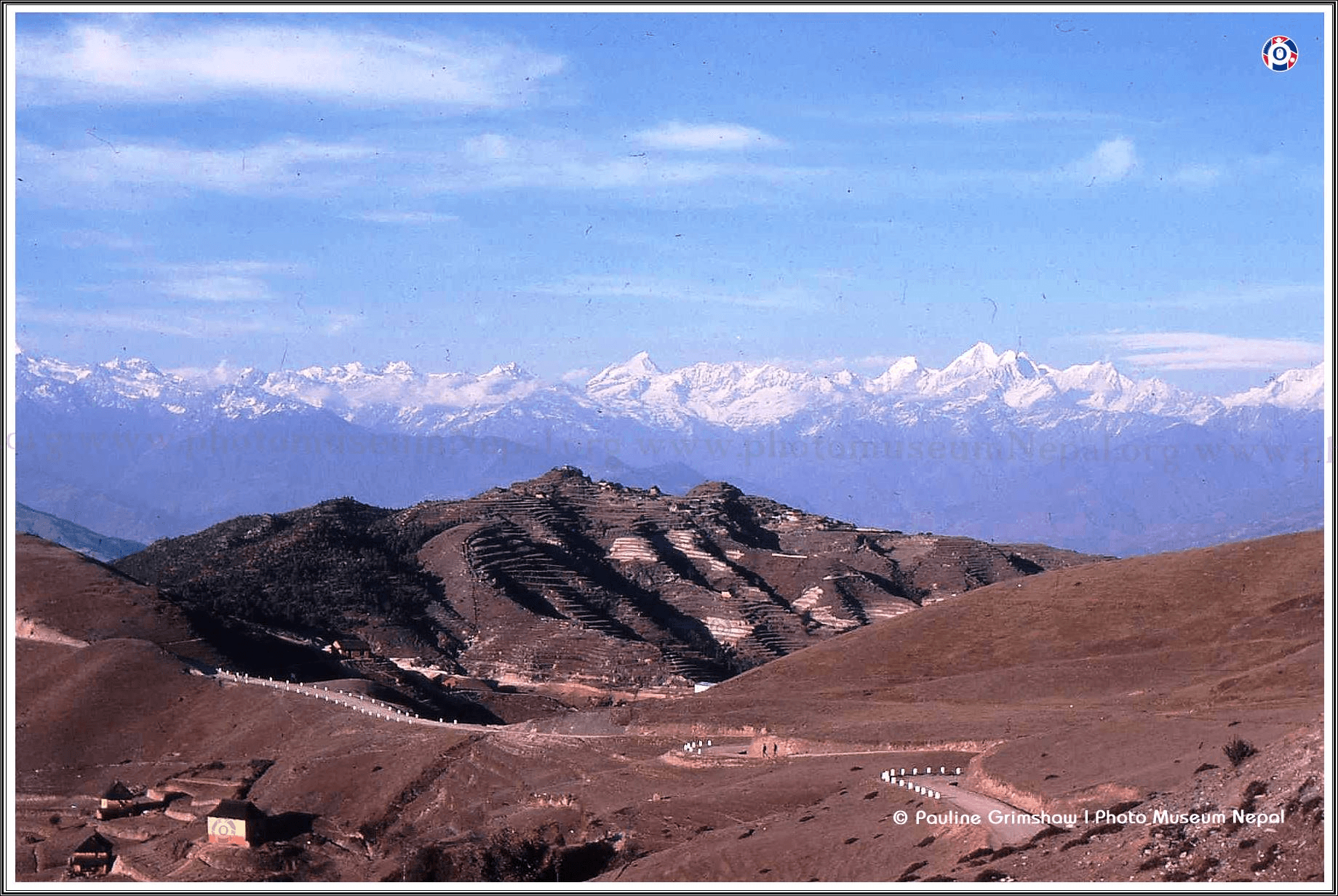
Archive view — 1970s
Nagarkot's strategic position — commanding views of the entire eastern Kathmandu Valley and the approach routes from the Tibetan plateau — made it an important military outpost during the Malla period (roughly 12th–18th century AD). The hill was used as a watchtower to monitor movement across the valley rim and along trade routes between Nepal and Tibet. The name "Nagarkot" itself is derived from Sanskrit, where nagar means city or settlement and kot means fort — a fort town.
From the Malla period
Fort town on the ridge
For centuries, Nagarkot served as a lookout over the eastern valley — a place where movement along the rim and toward the Tibetan trade routes could be watched from above. That military role shaped how the settlement was understood locally: less a casual hill station, more a fortified vantage point tied to the politics of the Kathmandu Valley kingdoms.
The Sanskrit roots of the name still echo that history. Nagar (settlement) and kot (fort) together describe a fortified town — exactly the kind of place rulers would want on a ridge with this much visibility.
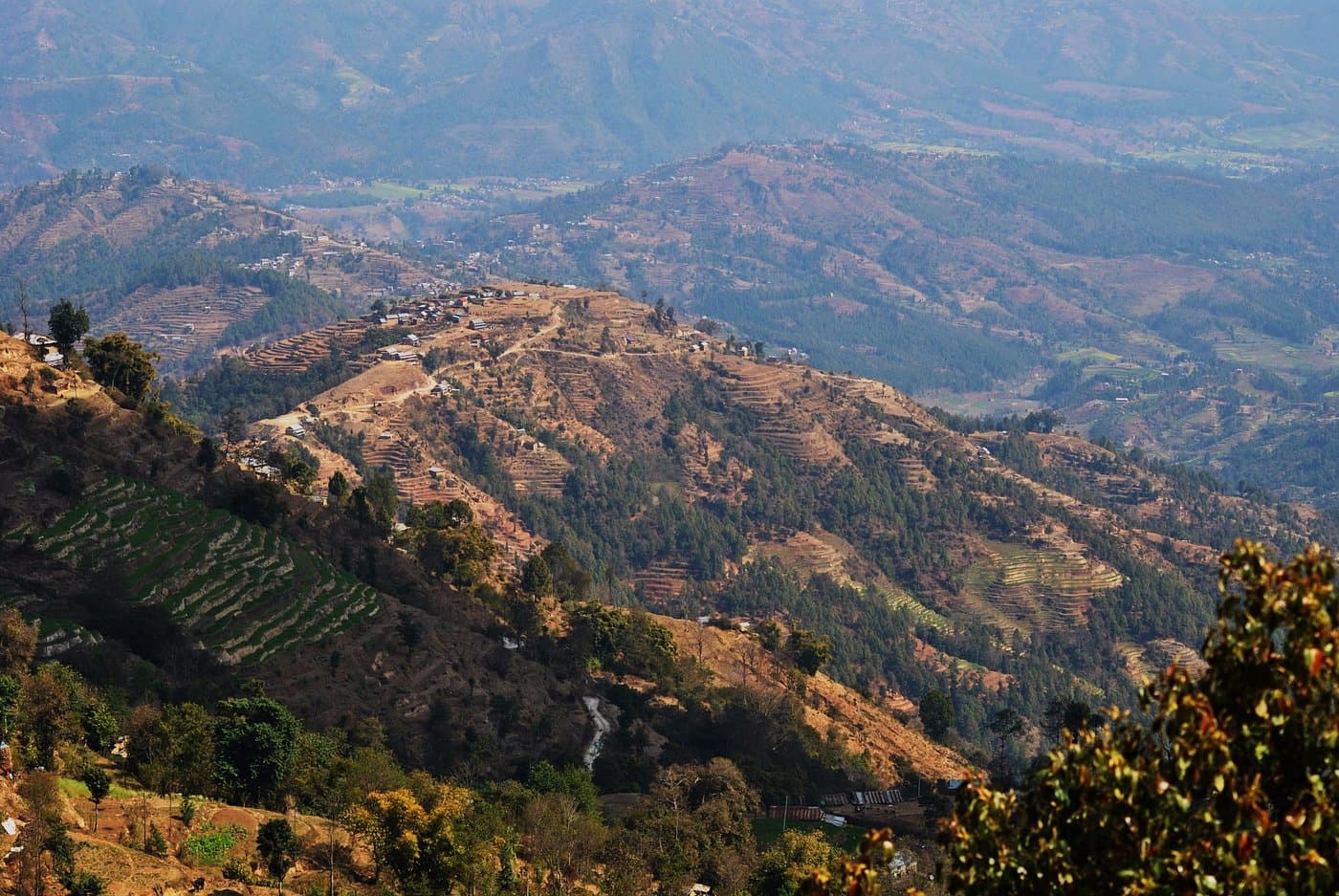
Trails & communities
Modern eco-tourism
The area's role as a tourism destination began much later, growing gradually through the late 20th century as trekking infrastructure developed in Nepal. The hiking routes around Nagarkot today are part of a broader eco-tourism effort — supporting local Tamang communities through guiding, tea shop operation, and homestay accommodation while minimising the environmental impact of visitor activity.
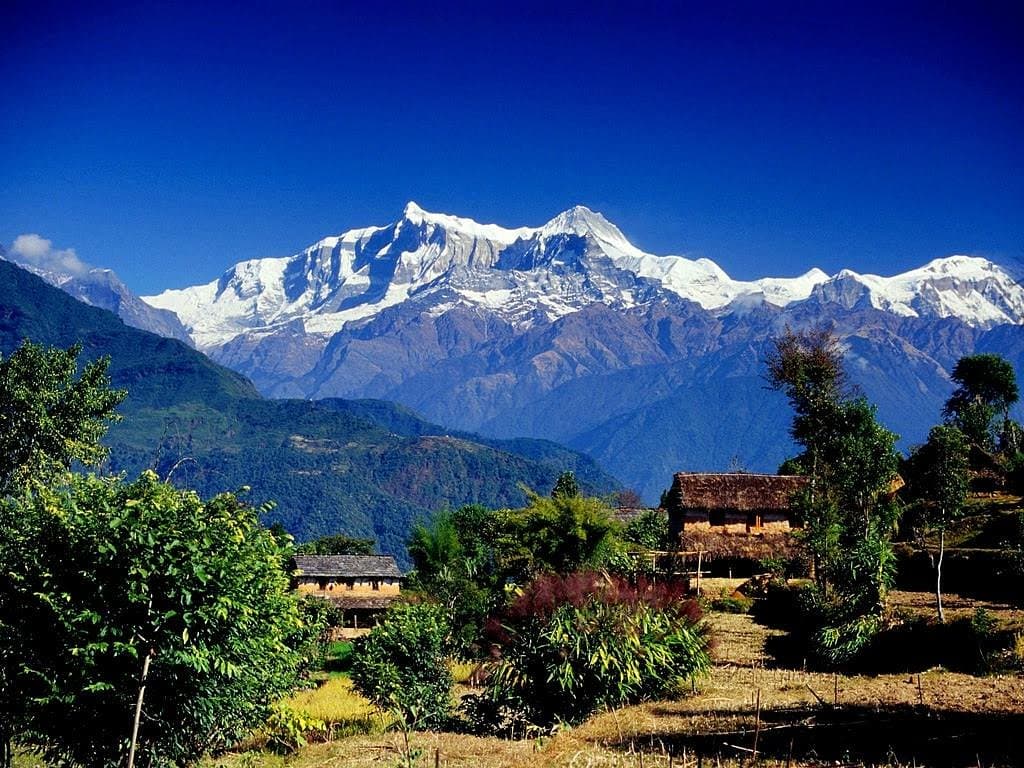
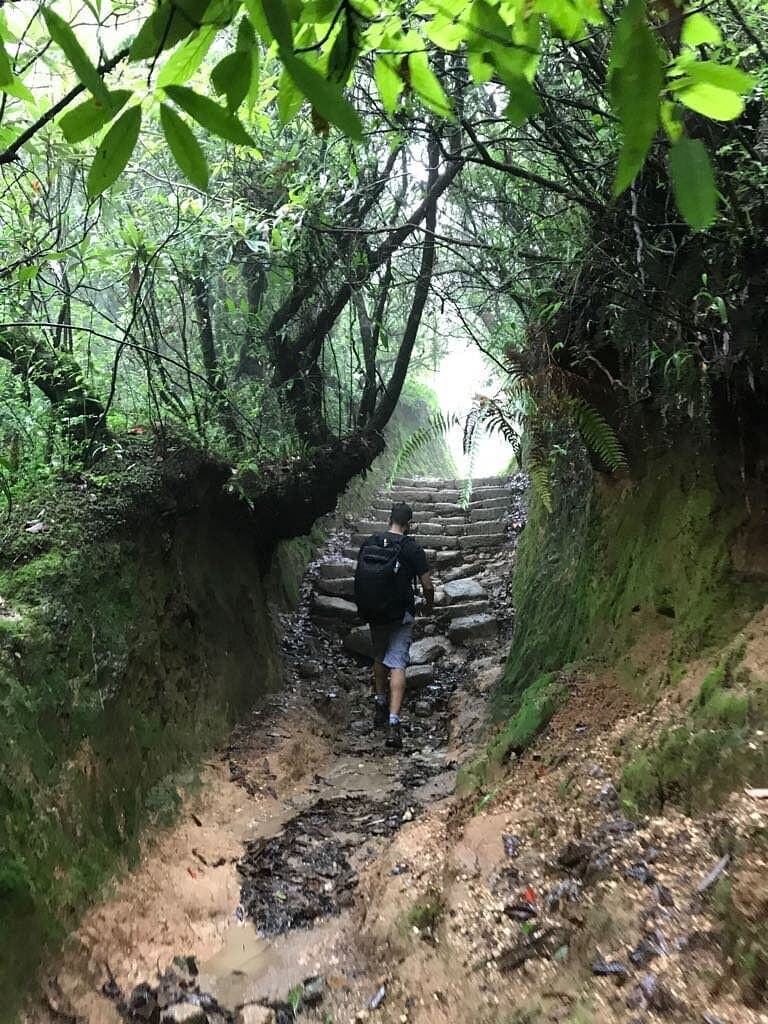
Local Tamang communities benefit directly from guiding, tea shops, and homestays along the routes. When you walk these paths with a local guide, you are participating in a model that keeps tourism revenue in the villages rather than passing through middlemen at the trailhead.
View Tower tradition
Sunrise capital of Nepal
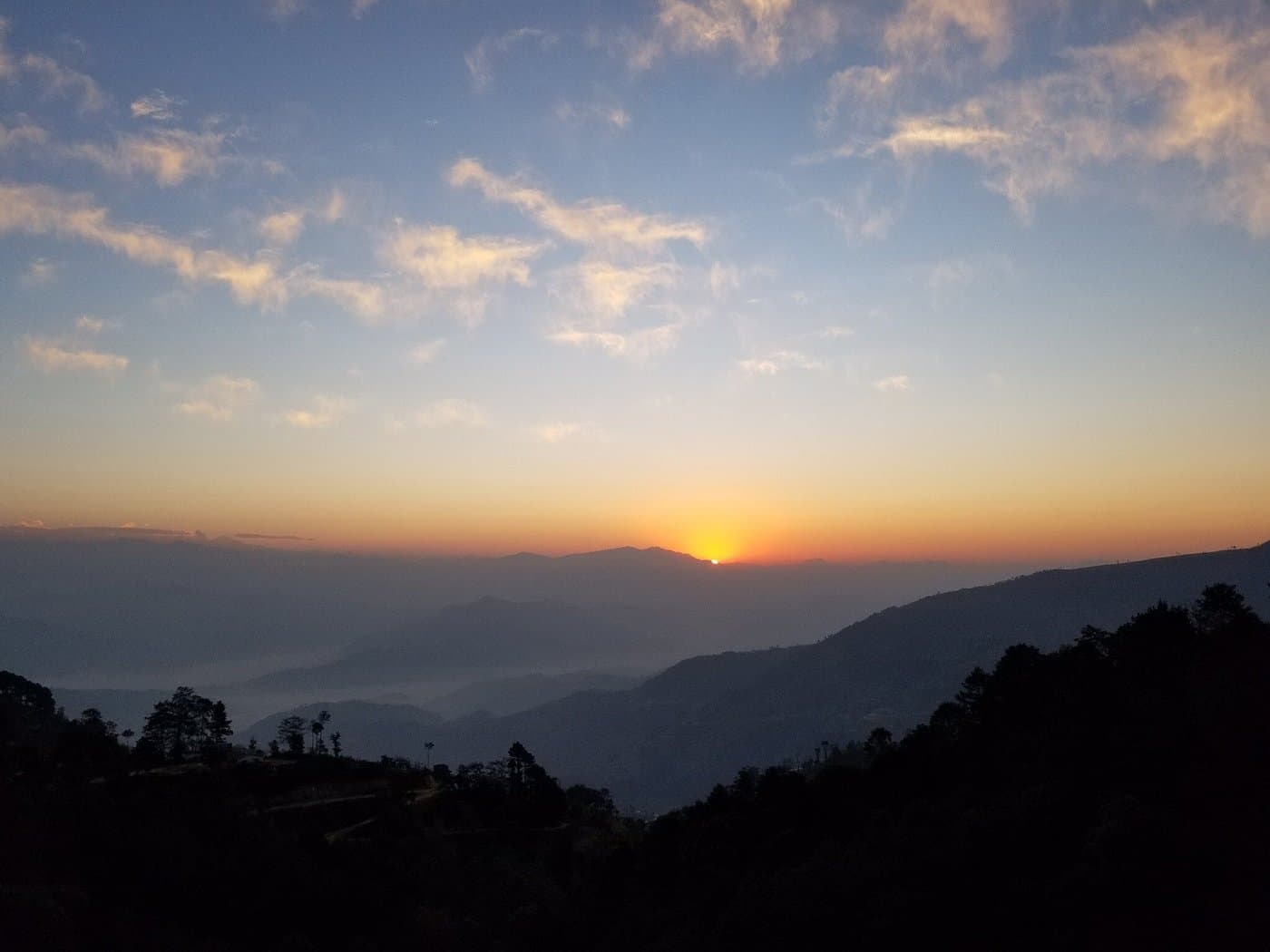
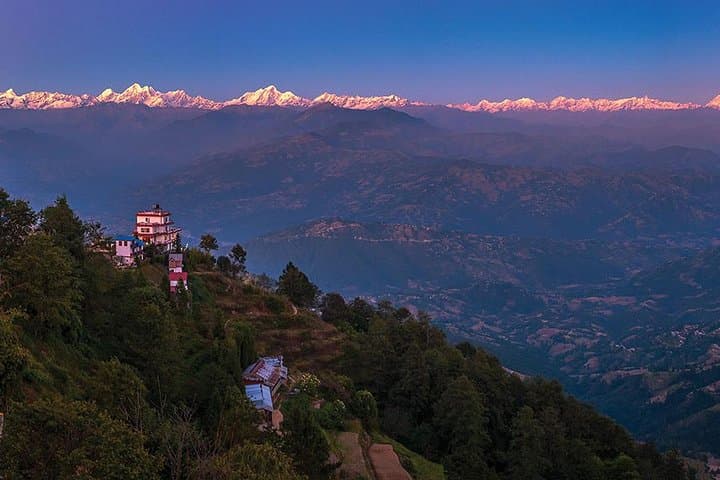
Nagarkot has become one of the most popular sunrise destinations in all of Nepal. Visitors who want to combine a day hike with a Nagarkot sunrise typically spend the night in one of Nagarkot's many guesthouses and hotels, begin the sunrise viewing from the View Tower as early as 5:30 AM, then set off on a trail loop from around 7:00–8:00 AM when the light is still excellent for photography.
Planning your visit
Walk the living history
Nagarkot is not a museum piece — it is a working hill community where ancient strategic geography, modern tourism, and daily village life overlap on the same paths. Whether you come for a sunrise, a half-day loop, or a multi-day ridge walk toward Changu Narayan or Dhulikhel, you are walking ground that has been watched, traded across, and lived on for centuries.